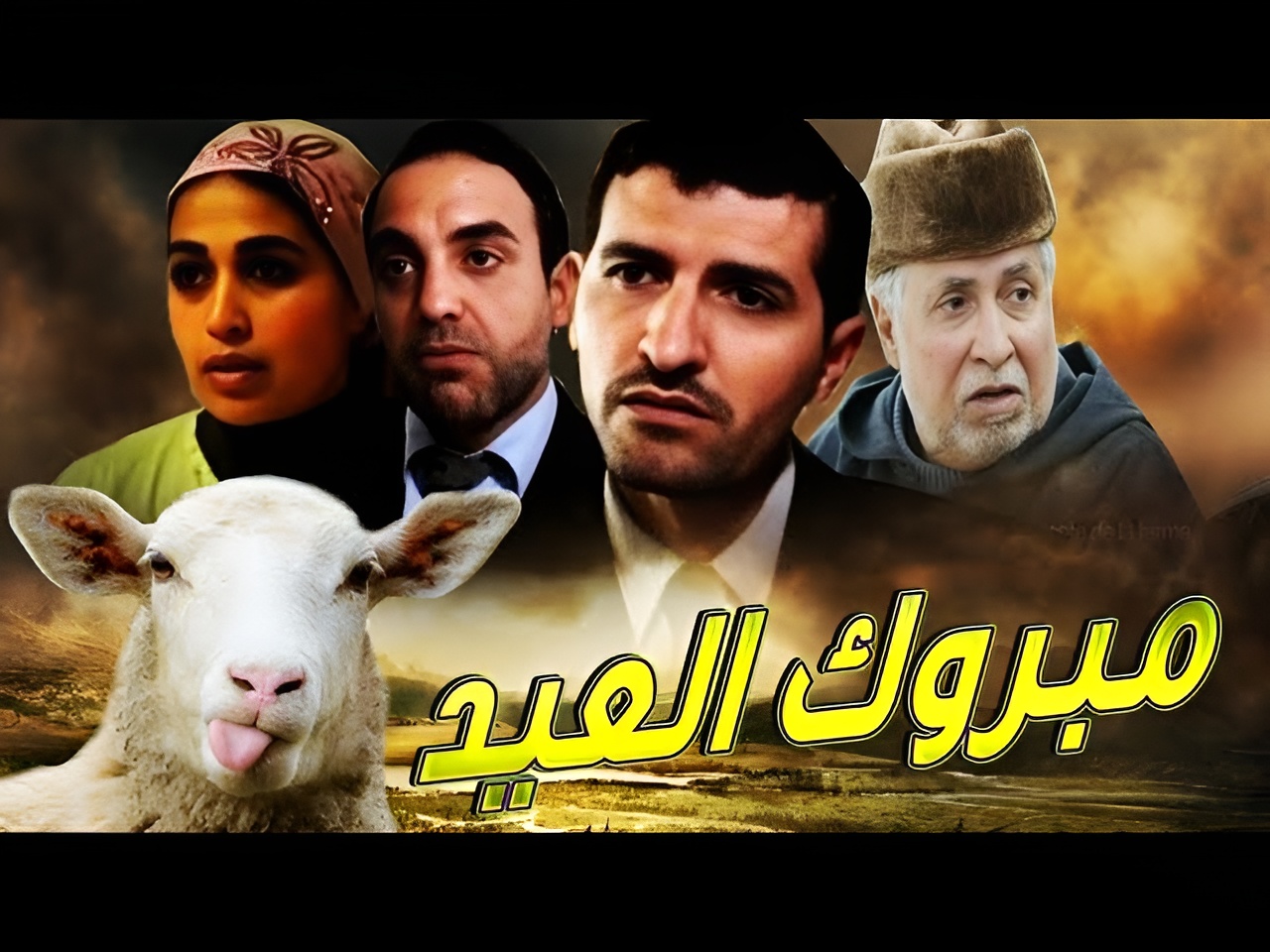
Since Eid al-Adha is near, I wanted to review this movie because it reflects the lives of not only Moroccan families but Arab families overall. Enjoy!
History
I will tell you the story of Eid al-Adha as I tell it to a little kid, because kid's stories make more sense.
Once upon a time, the Prophet Ibrahim dreamt of receiving a command from God to sacrifice his son Ismail. Normally Prophet's dreams are considered visions from God. The Dream went on as this:
- First Night: When he dreamt of sarificing his son, Prophet Ibrahim thought it was a trick from Satan. This day was named Yawm at-Tarwiyah (Nowdays the first day of Al Haj rituals) because he spent the day thinking whether the dream was from God or Satan.
- Second Night: He saw the same dream and he knew it was from God. (I haven't found exact sources but some say that Yawm Arafa is named after this night because the term knew is Arafa in Arabic. Others say that it was the day Adam knew Eve on earth.)
- Third Night: The dream repeated once more and the Prophet Ibarhim decided to act upon it. He told his Ismail about it, and the latter agreed to be sacrificied. That's when God gave the prophet Ibrahim a sheep to sacrifice. This day is Eid al-Adha, if it wasn't for the sheep, well you wouldn't have read this blog.

Context
Much like Casanegra, our two protagonists are choumour ( means unemployed , but it's used as an insult too ), they hate rich folks. They also don't care how they earn money, but unlike Casanegra they don't have Zrir9, they only have each other.
1984 George Orwell
You may think what does the book 1984 has to do with a Moroccan low budget movie made in 2012. Well, a lot.
In Chapter 9 of Part 2, the protagonist, Winston reads Goldstein's Book. In which he discovers 3 classes of society:
- The High: It's the rulling class, the 1% we always hear about. They hold all the power, control everything. Their goal is to always stay in power. ( Called the Inner Party in the book's setting)
- The Middle: Me, probably you and anyone reading this blog. Working going about our day to day lives, doing the work for the The High class. Tho historically the middle class always tries to overthrow the high, by using the low class to their side. Promising them freedom and justice, but once they achieve what they want. They push the low to their eternal class. ( Called the Outer Party in the book's setting)
- The Low: Nearly Always the majority of the population, live in poverty, ignored by the high class and doesn't even have time for political debate. They are numerous enough to overthrow the system that put them there but they are too busy with day to day survival looking for what to eat. ( Called the Proles in the book's setting)
Fouad and Aziz really do represent the low class, they try everything to make money regardless of religious believes or social manners.
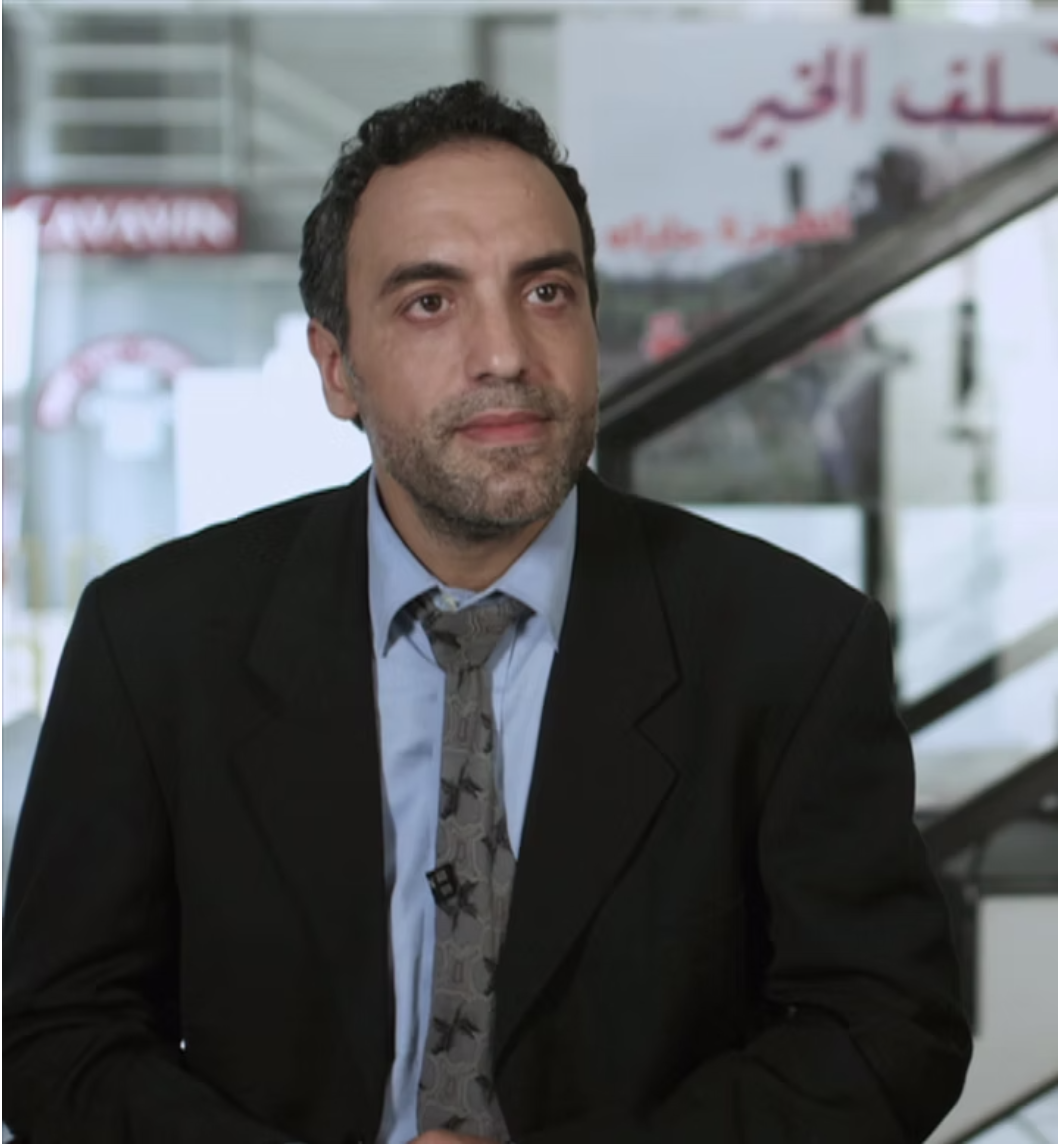
Aziz
From roleplaying as Papa Noel to perjury, Aziz does everything to make money. As much as he loves money, he hates the wealthy to the point he prefers to die of hunger than his wife to work for them. In the Moroccan dialect we have a word for people like Aziz, it's "Nfisa". It means someone who doesn't accept something just out of pity or sympathy. Even when his only friend/brother Fouad offers to buy him a sheep for El Aid he refuses. For Aziz, the world is a forest, the strongest wins, he prefers to earn money from the hardest places than to have pity from someone. He has no power to be the man of the house yet he imposes it, when you watch the movie you will have pity for Aziz and after that you may think " it's just a movie". They are millions like Aziz .
I myself encountered one the other day, in Settat, an old women was selling tissues to passers-by, a man tried to give her money without taking the tissue. She refused . I told him " she didn't want the money?" he told me " I added more for the tissue, she is an old women after all".
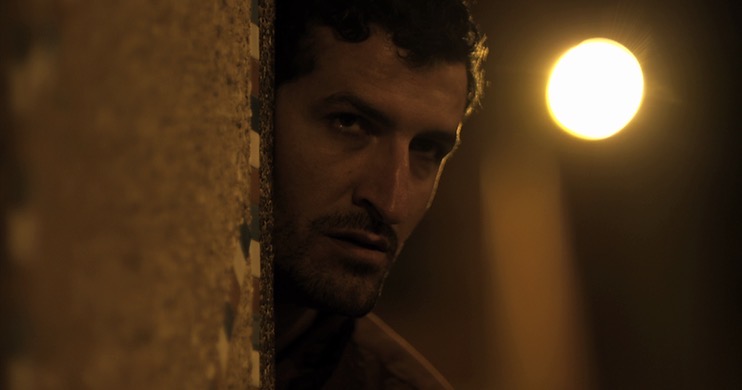
Fouad
Fouad is quite different from Aziz, he is kind of bipolar. He gambles but when he goes to buy a sheep with gambling money, Fouad doesn't wanna get a sheep that has a broken leg just because he is a " Religious Muslim". Today and I'm writing this article, the news talk about a guy who killed a farmer to steal his sheep just to feed his mother and brothers for EL Aid. You may think this is stupid, but this is real life. Not a lot of people have the privilege of choice, if you have, please use it wisely or at least try to.
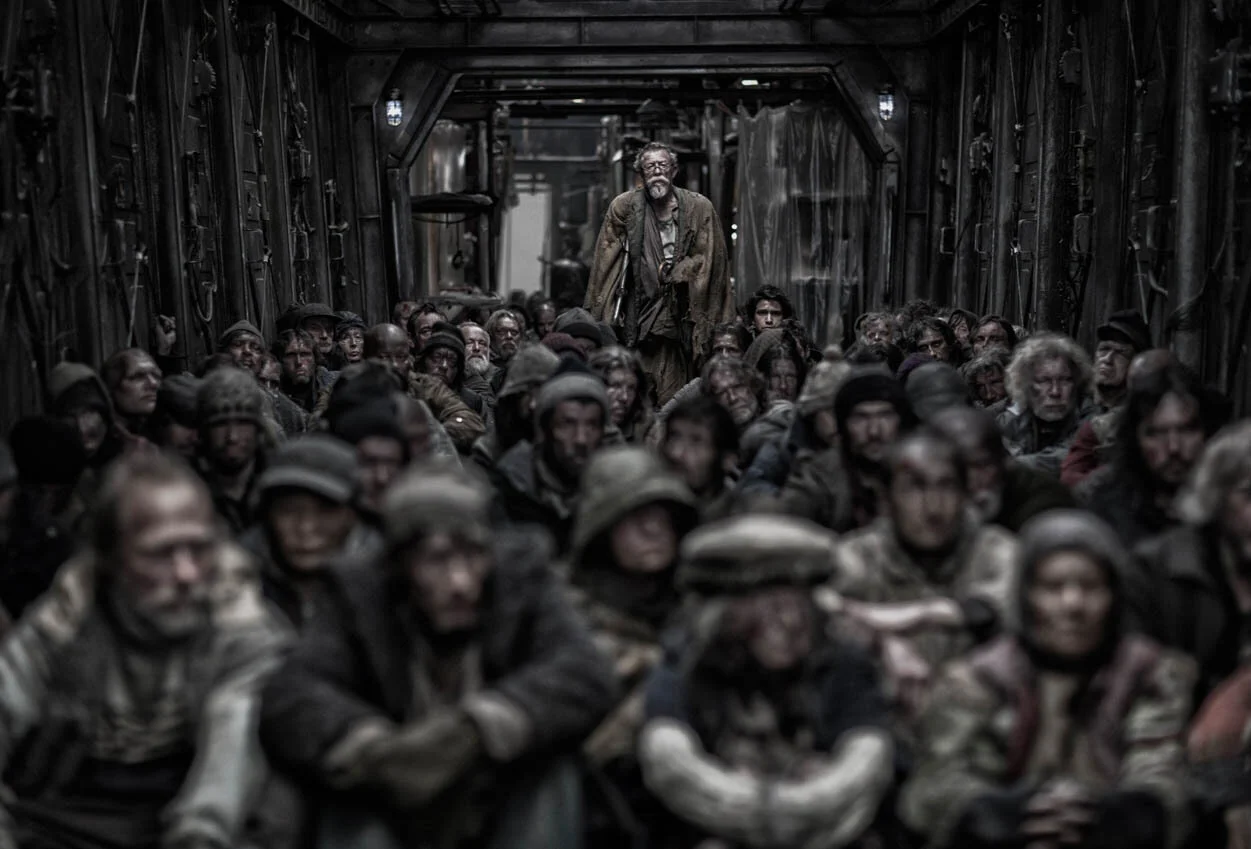
The Low Class
Fouad: They probably won't give a loan to people like us
Just like the movie Snowpiercer, Fouad and Aziz don't really consider themselves human. They think being part of the low class removes their human form, like they are rubish you have to wash your hands after. This is clearly shown when they both go to the bank to take a loan. They first wear costumes, which show that a bank is a place for rich people so they should dress like rich people.
The shock is when they go out of the bank, the first thing they do is speak really good about the employee, just because he treated them as humans. They are not acostumed to being talked to as customers, as humans. This really touches them that they talk about it till nearly the end of the movie.

Greed
The most thing I hate in life is Greed. This movie shows how greed can really ruin your life in seconds:
- Fouad and Aziz won some money gambling. They wanted more, they lost everything.
- They wanted a big sheep, they took an ewe.
- They wanted the bank's easy money, they lost the motorcycle.
- The car guardian wanted Samira, he lost his motorcylce.
- Lahbib wanted Malika's money, he got beaten.
- Aziz wanted more money stealing car's logos, he got beaten.
Conclusion
In 2026, El Aid is no longer a celebration for God. It is for neighbors and for people to see your wealth, even if you have none. The problem is that everyone knows this, EVERYONE. But they can't stop, take a look into Instagram and you'll see.
The moral of the story, don't show your wealth, they are people out there that fight dialy for food.