Before I began this blog I had another one hosted on blogger. I began blogging because of Mashrou'Leila, not their songs but what they stand for. I will take you today on a review of my favourite song in their album Ibn El Leil. Enjoy!
Context
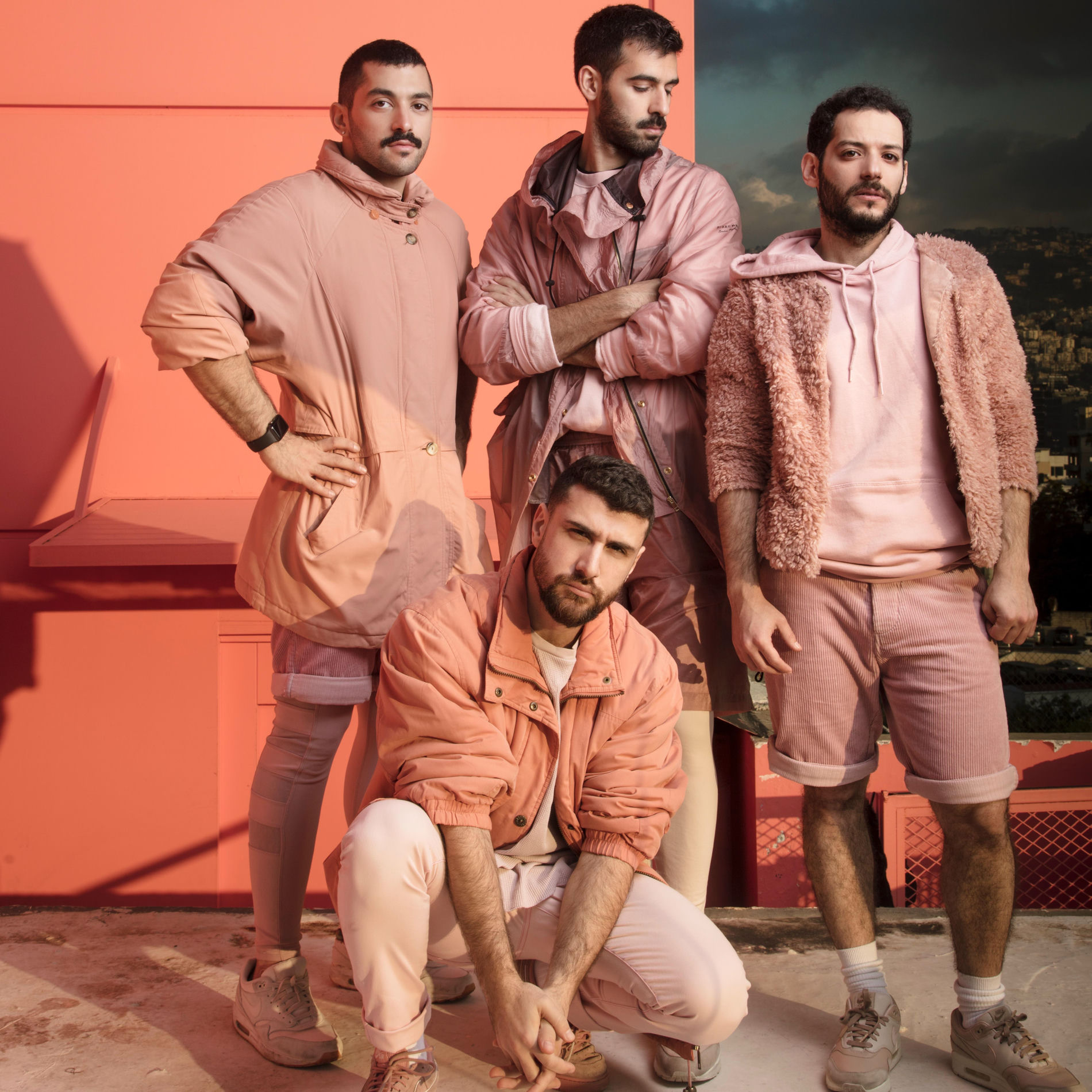
Mashrou'Leila is a Lebanese music group made at first by students in the American University in Beirut for a study project, that's why its called project of a night, kind of a last minute project. Years passed and they became one of the most successful musical groups in the arab world. Comes 2022 and the group splits mainly because of public harassment and death threats because of Hamed Sinno's (the lead singer) queerness, yes an arab group has a gay lead singer isn't that cool? well it's all flowers until you hear about Sarah Hegazi's story.
Album's Story
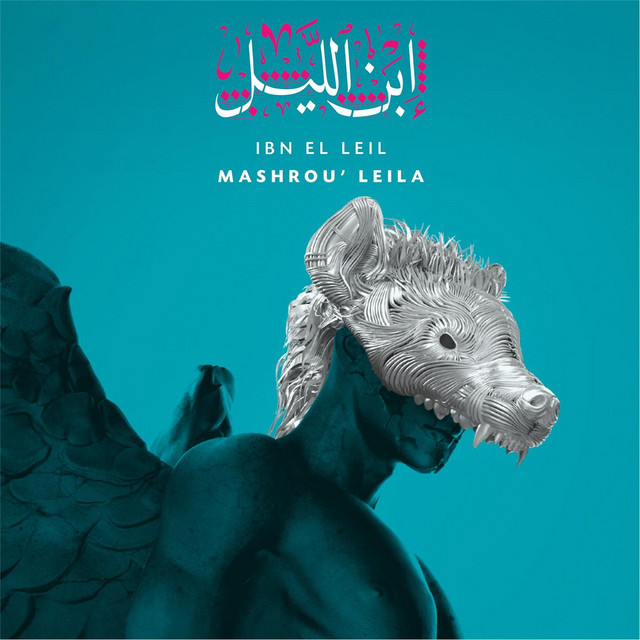
The band said they created Ibn El Leil to speak about Beirut's night life (if you don't know, for the arab world beirut is the gay capital, a LOT of gays from all over the place take refuge in there. You can see a documentary here
The Album also speaks about Queer life in the Arab World in General (that was the title of the first article i published in my old blog), without further ado let's dive in!
Lyrics
والطرابيش خدونا عالحبوس
عشان يخصونا ويعملوا أوسام
خيطنا لون أعلامنا من أكفان جثث الأصحاب
اللي كانوا عالإعدام
The fez-wearers took us to prison
to castrate us and make medals
we sewed the color of our flags from the shrouds of the friends
who were on death row
by the "fez-wearers" they mean the police/military officers, they competed on how much gay people they took to prison, you know why? to get promoted. Welcome to the Arab World Ladies and Gentlemen, the gay community from the beginning of time sewed the color of their flag with blood, blood that shed when they were killed, raped and even burried underground.
All because of what? being gay. You know most people argue wether you are born gay or you are made gay, it doesn't matter, no one should die because of their belief or the words the say or even the ideas they have. Whenever someone argues about this just remember this arabic saying :
أنا أنظر إلى القمر، والحمار ينظر إلى إصبعي. I look at the moon, while the donkey looks at my finger.
خبز الغراب بدأ ينما منورث الأرض غدا ياما
The raven’s bread has begun to grow; tomorrow, mother, we shall inherit the earth
The raven's bread refers to a type of mushrooms, the latter grow in rotting places, like the Arab World for examples. He says that this generation, our generation is growing in a rotting place, but we will prevail, with our culture, our kidness, our humanness.
We shall make this part of the world much better, I'm already seeing a really big potential just through the people I know. A lot of locals have lost hope, hope of a better tomorrow. I haven't, someday even if we have 100 years, we shall see our countries without poverty, and someday we will be one of the happiest nations on earth.
وأنمحيت (وأنمحيت)
من كتب التاريخ كأنها تاريخك (وهويتك)
بأوراكنا ترجمنالُن أبيات سافو وأبو نواس بلسان الآهات
عالشراشف طرزناها بالآهات اللي نشدناها بالمظاهرات
And I was erased (and I was erased)
from the history books as if it were your history (and your identity)
with our thighs we translated the verses of Sappho and Abu Nuwas in the language of sighs
on the sheets we embroidered them with the sighs we chanted at the protests
Some LGBTQ+ history here:
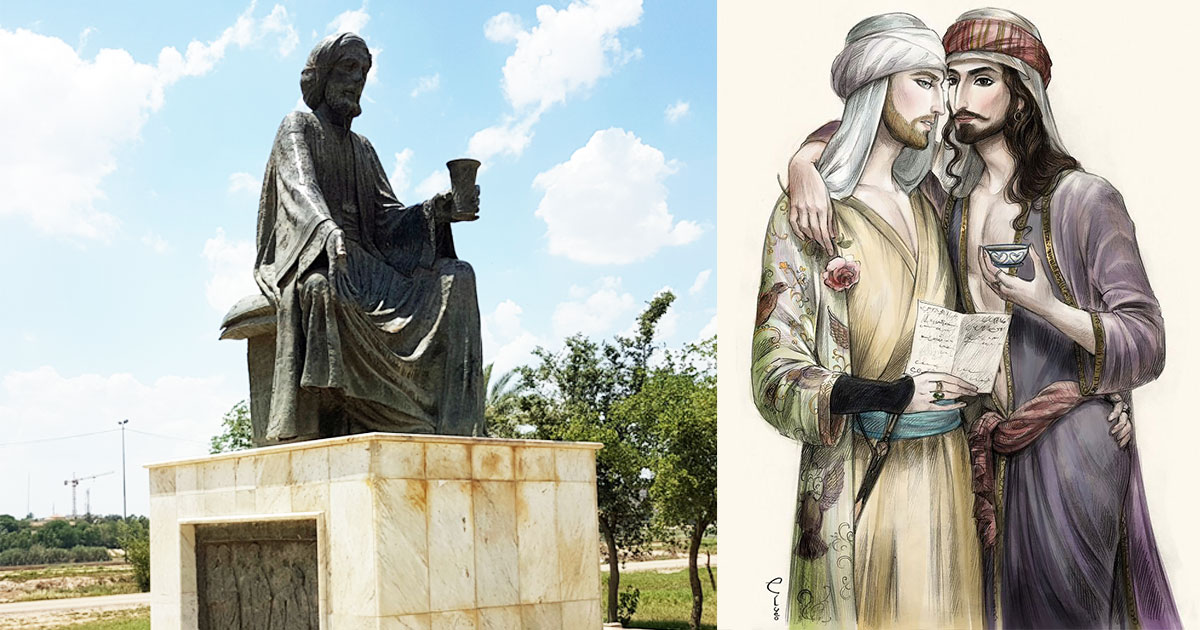
- Sappho: the poet who inspired the term sapphics, that we use to call lesbians today. She had a major role in revealing lesbian life to the world at 630-570 B.C . Here poems are still present to this day and read by many.
- Aboû Nouwâs: One of the most famous Arab poets of the Abbasid era, he was known at first by drinking, loving boys and mocking God. After that he made a lot of poems repenting for what he believed were his "sins". No one knows how he died.
Sarah Hegazi
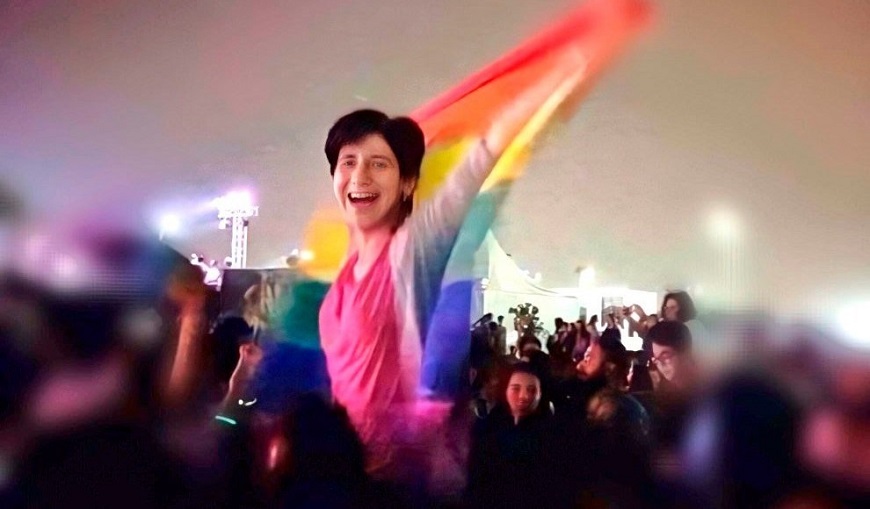
In 2017, Sarah attended a mashrou'leila concert in Cairo, she raised the LGBTQ+ flag which is strictly forbidden in all of the Arab World let alone Egypt. After the concert she was arrested by Egyptians authorities, and she reported that she was abused while in custody. Really abused
PS:The Egyptians authorities have a long history of abuse and blackmailing with the queer community,watch the BBC report here
After she was released , she came out to death threats from the public, harassment and social isolation. She did what 90% of Queer Arabs do, asylum. Canada (of course) granted her the asylum and she began fighting Egyptian organizations from there while blogging and speaking for the Queer community. In 2020, the world was shocked by the news of Sarah's suicide in the age of 30. She left a note, here it is: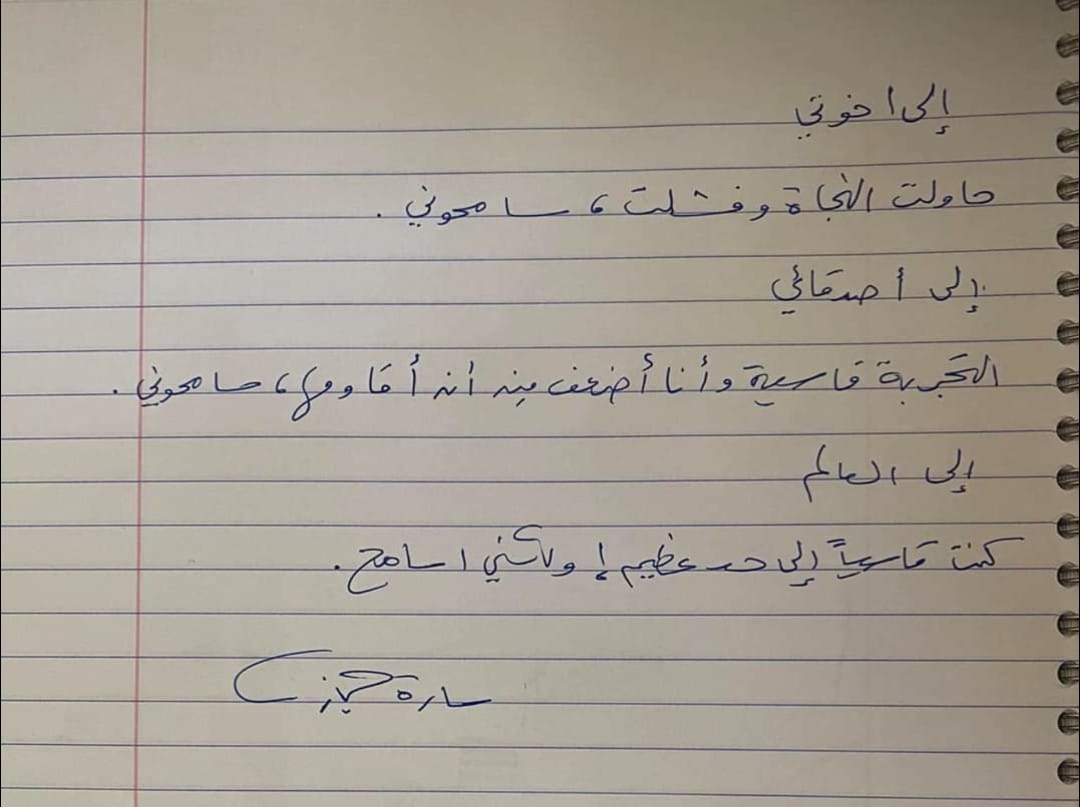
To my siblings – I tried to find redemption and failed, forgive me. To my friends – the experience [journey] was harsh and I am too weak to resist it, forgive me. To the world – you were cruel to a great extent, but I forgive.
Conclusion
Sarah Hegazi is still a symbol, not only for the queer community but for hope. Hope of a better tomorrow, her death shouldn't make us weak, it should make us strong. The world lost an angel, I will never forget about you Sarah even if I never knew you. May you rest in peace, May we all rest in peace.